
Mining and trades pay well. But rosters, overtime, allowances and ABN income can make one lender say yes and another say no. We find the lenders that count your income properly.
Why your job type matters to a lender
Banks are built around a standard payslip. When your pay changes with the roster, the swing or the season, each lender decides for itself how much of it to count, and those decisions vary a lot. Russ has worked in mining himself, so he knows how roster income works and how to present it to a lender.
How lenders treat mining and trades income
| Income type | How lenders differ |
|---|---|
| Base wage or salary | Counted in full by almost every lender. |
| Overtime and penalty rates | Some count all of it with 6 to 12 months’ history, others only part, and a few very little. |
| Shift, site and remote allowances | Often counted if they’re regular and shown on your payslips. |
| Bonuses | Usually need a two-year history, and may be averaged. |
| Living-away-from-home and camp allowances | Usually not counted, because they cover costs while you’re away. |
| Casual or labour-hire | Some lenders accept 3 to 6 months in the job, or less with experience in the same industry. |
| ABN and contractor income | Assessed from tax returns, or BAS statements for low-doc loans. Time trading and your latest year’s profit matter most. |
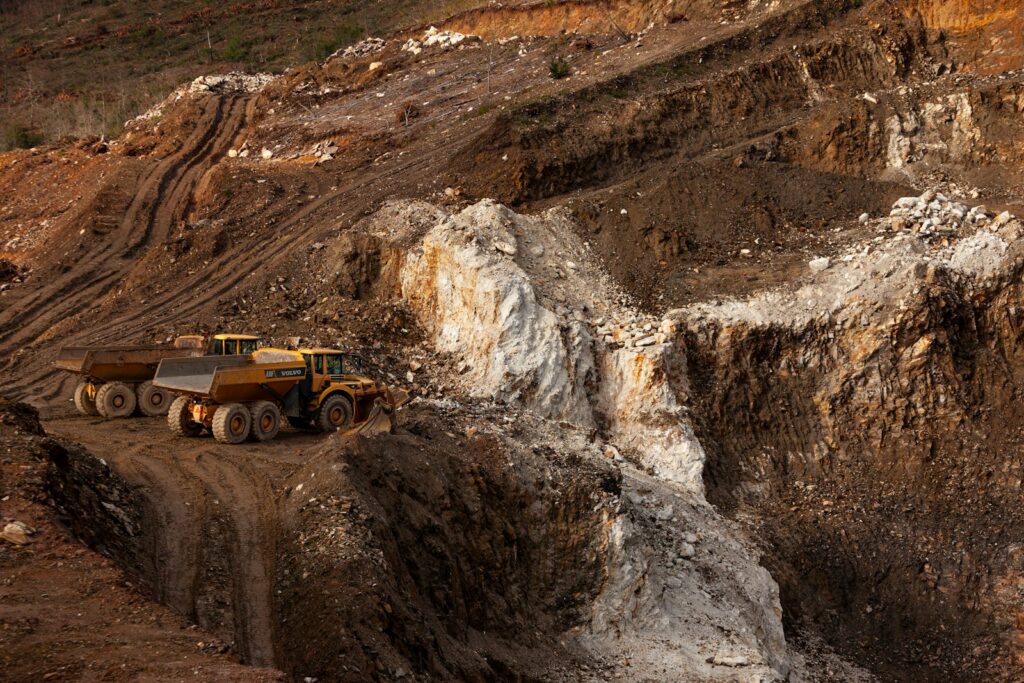
Mine-site workers
Operators, maintainers, electricians, fitters and site staff. Whether you work at one of the mines around Gunnedah, Boggabri and Narrabri or further afield, it pays to choose a lender that looks at your full roster income.
- We show lenders your payslips and year-to-date figures so regular overtime is counted properly.
- Rosters like 7 on 7 off, or days and nights, are familiar to most lenders.
- A new job at a different mine doesn’t have to hold you back if you’ve stayed in the industry.
FIFO and DIDO workers
Fly-in fly-out and drive-in drive-out work is common across NSW and beyond, and most lenders are comfortable with it.
- Buy where you live: you don’t need to live near site. Lenders look at your income and roster, not your commute.
- Allowances: camp and living-away allowances usually aren’t counted, but your base, overtime and site allowances often are.
- Mining-town properties: some lenders ask for a bigger deposit, or lend less, in towns that rely heavily on one mine. We know which lenders are more flexible.
- Time away: with you on swing, we handle the running around with the lender and keep you updated by phone, text or email.
Tradies on an ABN
Sparkies, chippies, plumbers, diesel fitters, operators and contractors who work for themselves.
- Full doc: most lenders want two years of tax returns, but some accept one year.
- Low doc: if your tax returns don’t show your real income yet, some lenders accept BAS statements, business bank statements or an accountant’s letter instead. You’ll usually need a bigger deposit.
- Newer ABN: if you’ve recently gone out on your own in the same trade, some lenders count your time as an employee too.
- Ute and tools: we can also help with car and equipment loans. Just plan the timing, because every loan reduces what you can borrow for a home.
Apprentices and new starters
Just started your apprenticeship, changed employer or still on probation? You may be able to buy sooner than you think.
- Probation: some lenders will lend during probation, especially if you’ve worked in the same industry before.
- First home buyers: the 5% Deposit Scheme lets eligible first home buyers buy with a 5% deposit and no lenders mortgage insurance, and NSW first home buyers pay no stamp duty on homes up to $800,000.
- Family help: a guarantor, usually a parent, can use equity in their home to help you buy without a full deposit.
- Apprentice wages: lenders assess what you earn now, so a plan that allows for your pay rises can help with timing.
What to have ready
If you’re on wages
Your two most recent payslips (showing year-to-date income), your latest income statement, and your employment contract or roster details if you’ve recently started.
If you’re on an ABN
Your last one or two years of tax returns and notices of assessment, or for low-doc loans, recent BAS statements and business bank statements.
Talk to Russ
We’re based in Gunnedah. If you live nearby, in Gunnedah, Boggabri, Narrabri, Tamworth or Coonabarabran, Russ is happy to meet in person at a time that fits around your roster. Wherever you are, we can do everything by phone and video. We’re available 7 days, 8am to 6pm, and by appointment.
Book a chat with RussMining and trades home loan questions
Will the bank count my overtime and allowances?
Often, yes, but it depends on the lender. Many want to see regular overtime for 6 to 12 months, and some only count part of it. Living-away-from-home and camp allowances are usually left out, because they cover costs rather than add to your income.
I work FIFO. Can I buy a home near where I live rather than near site?
Yes. Most lenders are comfortable with FIFO and drive-in drive-out workers buying where they live. What matters is that your income is regular and your roster is ongoing.
I’m a tradie on an ABN. How long do I need to have been trading?
Many lenders want two years of tax returns, but some accept one year, and low-doc lenders may accept 12 months or less using BAS statements and an accountant’s letter. The right option depends on your numbers, so it’s worth comparing before you apply.
Can I get a home loan as an apprentice or while on probation?
Often, yes. Some lenders will lend during probation, especially if you’ve worked in the same industry before. Apprentices can also look at the 5% Deposit Scheme, NSW stamp duty savings for first home buyers, or help from a family guarantor.
Does a ute or tools loan affect how much I can borrow?
Yes. Every loan repayment reduces your borrowing power, and even unused credit card limits count. If you’re planning to buy a home soon, talk to us before you finance a new ute or gear.
General information only, not personal financial advice. Lender policies change and vary between lenders. Lending criteria, fees and charges apply. Photos: Unsplash.